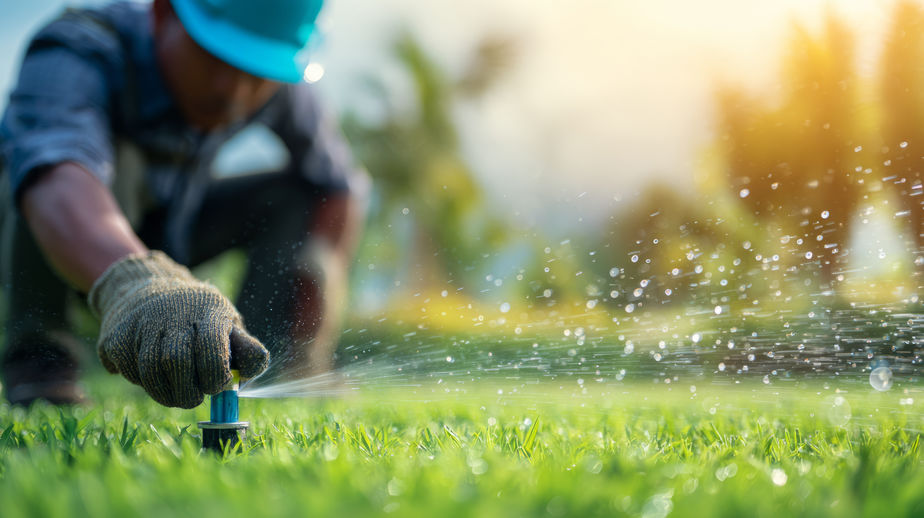
Your irrigation system plays a quiet but important role in keeping your property healthy and attractive. When it is working properly, you probably do not think much about it. Your lawn stays green, your landscaping thrives, and watering happens automatically. But when something goes wrong, the damage can show up quickly in the form of brown patches, soggy areas, or a surprising jump in your water bill.
That is why seasonal sprinkler tune-ups are so important. Regular quarterly checks keep your system efficient, protect your investment, and help prevent expensive repairs. A little proactive maintenance throughout the year can save a great deal of time, money, and frustration.
Why Quarterly Sprinkler Inspections Matter
Many homeowners think of their irrigation system as a set-it-and-forget-it feature. Your system operates under constantly changing conditions. Soil shifts. Grass grows thicker. Temperatures fluctuate. Rainfall patterns vary. Even everyday lawn mowing can bump sprinkler heads out of alignment.
Quarterly inspections allow your system to adapt to those changes.
A typical schedule includes:
- Spring startup and inspection
- Early or mid-summer performance check
- Late-season adjustment
- Fall winterization
Each visit addresses different seasonal needs and ensures your system stays in top shape.
Spring Startup Sets the Tone for the Season
Winter can be hard on irrigation systems. Freezing temperatures may cause small cracks in fittings or shift sprinkler heads slightly out of position. Even when winterization is done correctly, components still need to be checked carefully before the system runs at full capacity again.
During a spring tune-up, technicians slowly pressurize the system, inspect each zone, and confirm that valves and heads are operating properly. Catching minor damage early prevents wasted water and potential landscape damage once regular watering begins.
Summer Checks Protect Efficiency During Peak Use
Summer is when your sprinkler system works the hardest. Heat increases water demand, and small inefficiencies can quickly become costly.
A mid-season tune-up focuses on optimizing performance. Technicians look for heads that have been tilted by mowing equipment, blocked spray patterns from plant growth, or uneven coverage caused by shifting soil. They also review run times to make sure the system is not overwatering.
Without this mid-season attention, your system may quietly waste water for months.
Late-Season Adjustments Keep Things Balanced
As temperatures cool and daylight hours shorten, watering needs change. Continuing to run summer schedules into early fall often leads to overwatering. That can create fungal issues or weak root systems before winter arrives.
A late-season tune-up ensures your irrigation schedule matches current conditions. Adjusting the controller and inspecting components before shutdown reduces wear and prepares the system for winterization.
Fall Winterization Prevents Freeze Damage
Blowing out irrigation lines is critical in colder climates. Water left in pipes can freeze, expand, and cause cracks that remain hidden until spring.
Proper winterization protects underground lines, valves, and sprinkler heads from costly damage. When done as part of a full seasonal maintenance plan, it adds another layer of protection.
What Technicians Look for During a Tune-Up
A professional sprinkler inspection involves much more than turning the system on and off. Experienced technicians evaluate every part of the system to ensure it operates efficiently and safely.
Sprinkler Head Condition and Coverage
Technicians examine each head for:
- Proper alignment
- Even spray patterns
- Signs of clogging
- Physical damage
Misaligned heads can send water onto sidewalks or driveways instead of grass. Clogged nozzles can create uneven watering, leaving dry spots that require extra attention later.
Leaks and Pressure Issues
Underground leaks are not always obvious. Technicians check valve boxes and inspect zones for signs of water pooling or pressure loss.
They also measure water pressure. Too much pressure creates misting, which wastes water through evaporation. Too little pressure leads to weak coverage.
Valve Operation
Valves control water flow to each irrigation zone. If a valve fails to close completely, it can cause constant slow leaks or flooding in certain areas. During a tune-up, technicians ensure valves open and close properly and clear out debris if needed.
Controller Programming
One of the most common causes of water waste is incorrect programming. Many systems continue running on outdated schedules long after weather conditions change.
During a seasonal check, technicians adjust run times, verify start times, and confirm that rain sensors or smart controllers are working correctly. Proper programming alone can significantly reduce water consumption.
Backflow Prevention
Backflow devices protect your home’s drinking water from contamination. These components must function properly and meet local requirements. Seasonal inspections confirm that seals and relief valves are working as intended.
How Tune-Ups Prevent Expensive Repairs
Routine maintenance is far more affordable than emergency repairs.
A small crack in a pipe or fitting can slowly erode surrounding soil. Over time, this may lead to a larger rupture that requires digging up sections of your yard. Identifying small problems early prevents that kind of disruption.
Regular inspections also reduce stress on system components. Operating at improper pressure or running too frequently accelerates wear on valves and controllers. Seasonal tune-ups extend the lifespan of your equipment.
Water bills also benefit from routine service. Even a single damaged head can waste hundreds of gallons per week. Multiply that over an entire summer, and the cost becomes noticeable.
Protecting Your Landscaping Investment
Your irrigation system exists to support your lawn and landscaping. When watering is uneven, plants suffer. Overwatering weakens roots and encourages disease. Underwatering stresses turf and leaves unsightly brown patches.
Seasonal tune-ups help maintain consistent moisture levels, which keeps grass healthier and landscaping more resilient. Healthy lawns also improve curb appeal and overall property value.
Environmental Responsibility
Water conservation is becoming increasingly important in many communities. A well-maintained sprinkler system reduces runoff, prevents overspray, and delivers water directly to where it is needed.
Quarterly inspections ensure your system operates responsibly and efficiently, helping you reduce unnecessary waste while still maintaining a vibrant yard.
Peace of Mind Throughout the Year
Perhaps one of the biggest benefits of seasonal sprinkler tune-ups is confidence. You know your system is functioning properly. You know small issues are being addressed before they grow into larger problems. And you know your lawn is receiving the right amount of water for the season.
Instead of reacting to emergencies, you stay ahead of them.
Make Maintenance Part of Your Routine
Your irrigation system works through spring growth, summer heat, fall transitions, and winter freezes. Each season presents new challenges. Scheduling quarterly tune-ups keeps everything running smoothly and protects your investment long term.
A proactive approach is always more affordable and less stressful than unexpected repairs. With consistent seasonal care, your sprinkler system will continue to support a healthy, beautiful landscape year after year. Contact Suburban Lawn Sprinkler at (508) 872-2727 today or visit us online for more information!