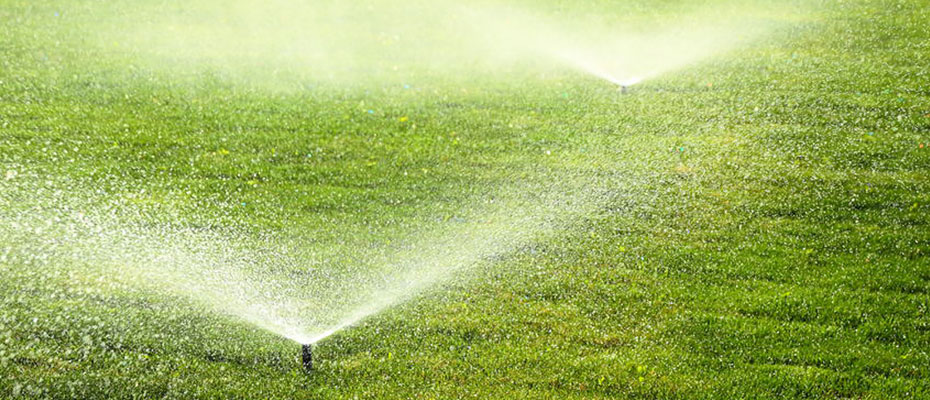
Many homeowners focus on keeping their lawns green and neatly trimmed, but true lawn health begins below the surface. Watering habits play a major role in how grass roots develop, how soil conditions change over time, and how vulnerable turf becomes to disease. While irrigation is essential for maintaining a beautiful yard, improper scheduling can create hidden problems that lead to root damage, fungal growth, and long-term lawn decline.
Understanding how to water correctly can help you protect your investment and enjoy a stronger, more resilient landscape throughout the year.
How Excess Moisture Impacts Root Health
Grass roots need both water and oxygen to thrive. When soil stays overly wet for long periods, air pockets disappear and roots struggle to function properly. This lack of balance can weaken turf and make it easier for fungal diseases to take hold. Conditions such as root rot or brown patch often develop in lawns that receive too much water or are watered too frequently.
In the early stages, overwatered grass may still look lush and green. However, beneath the surface, roots may become shallow and fragile. Once heat, drought, or heavy foot traffic occurs, the lawn can quickly show signs of stress. Preventing this cycle starts with managing irrigation carefully and avoiding the temptation to water simply based on appearance.
Why Proper Scheduling Encourages Stronger Turf
A well-planned irrigation schedule trains grass roots to grow deeper into the soil. When watering is spaced out appropriately, roots search for moisture below the surface, which helps them become stronger and more established. Deep rooted turf is better equipped to handle temperature swings, dry weather, and everyday wear.
Inconsistent watering patterns often lead to uneven growth and weak root systems. Lawns that receive short, frequent bursts of water tend to rely on surface moisture, which increases their susceptibility to fungus and disease. By delivering water at the right intervals, homeowners can support healthier soil conditions and reduce the risk of turf problems later in the season.
Automated irrigation systems make this process easier by providing reliable, uniform coverage. With professional programming, these systems remove much of the guesswork and help ensure that every section of the lawn receives the attention it needs.
Choosing the Right Time of Day to Water
Timing plays a critical role in disease prevention. Early morning is widely considered the best time to irrigate because it allows grass blades to dry naturally as temperatures rise. This reduces the amount of time moisture remains on the turf, which helps limit the spread of fungal spores.
Watering late in the evening can create the opposite effect. Cool overnight temperatures and limited sunlight allow moisture to linger on the grass for hours. These damp conditions encourage fungus to develop and spread across the lawn. Midday watering is also less effective since high temperatures often lead to rapid evaporation and uneven absorption.
By adjusting irrigation schedules to early morning hours, homeowners can improve water efficiency while also protecting their turf from unnecessary stress.
Adjusting Irrigation Based on Soil Conditions
Every lawn has unique soil characteristics that influence how water moves through the ground. Sandy soil tends to drain quickly and may require slightly more frequent watering sessions, while clay soils retain moisture longer and benefit from deeper but less frequent irrigation. Understanding these differences helps prevent both underwatering and oversaturation.
Modern irrigation technology offers tools such as moisture sensors and smart controllers that respond to changing weather conditions. These systems can automatically adjust watering cycles based on rainfall, temperature, and soil moisture levels. This level of precision helps maintain ideal growing conditions while reducing waste and lowering the likelihood of disease.
Recognizing Early Signs of Irrigation Problems
Homeowners can often spot early warning signs that their watering routine needs adjustment. Persistent wet spots, soft or spongy turf, and areas of yellowing grass may indicate that the soil is holding too much moisture. In some cases, a thin or patchy lawn may signal root damage caused by fungal activity.
On the other hand, grass that appears dull, dry, or brittle may not be receiving enough water. Finding the right balance is essential for supporting steady growth and maintaining a uniform appearance. Regular inspections and seasonal irrigation adjustments can make a significant difference in overall lawn performance.
Long Term Advantages of Smart Water Management
Proper irrigation scheduling does more than prevent disease. It contributes to thicker turf coverage, improved resistance to pests, and better tolerance of environmental stress. Over time, homeowners may also notice reduced maintenance costs and fewer lawn repairs.
Efficient watering practices support environmental responsibility as well. Using water wisely helps conserve local resources while promoting healthier landscapes across neighborhoods and communities. When lawns are cared for correctly, they require fewer chemical treatments and less intensive intervention.
Working With Irrigation Professionals for Lasting Results
Creating an effective irrigation plan can feel overwhelming, especially when dealing with varying soil types, weather patterns, and lawn conditions. Professional irrigation specialists bring valuable experience and technical knowledge to the process. They can evaluate your property, recommend system upgrades, and develop customized watering schedules that support long term turf health.
By taking a proactive approach to irrigation management, homeowners can prevent root disease and reduce the risk of turf fungus before problems begin. A carefully maintained lawn reflects thoughtful care and consistent attention. With the right watering strategy in place, your landscape can remain healthy, attractive, and ready to handle whatever the seasons bring. Contact Suburban Lawn Sprinkler at (508) 872-2727 today or visit us online for more information!