Adding new trees and shrubs to your property is an exciting investment in your landscape. Whether you are creating a privacy screen, improving curb appeal, or adding seasonal color, newly planted greenery can transform the look of your yard. However, planting is only the first step. The success of your new trees and shrubs depends heavily on the care they receive during the first months and years after installation.
One of the most important aspects of that care is proper watering. During the establishment period, newly planted trees and shrubs rely on consistent moisture to develop healthy root systems. An irrigation system can play a key role in helping these plants become strong, healthy additions to your landscape.
What Is the Establishment Period?
The establishment period is the time it takes for a newly planted tree or shrub to adapt to its new environment and develop roots beyond the original root ball. When plants are moved from a nursery to your property, they lose a portion of their root system during the transplanting process. As a result, they are temporarily less capable of absorbing water and nutrients from the soil.
During this period, the plant focuses much of its energy on root development. Until those roots expand into the surrounding soil, the tree or shrub remains vulnerable to drought stress and other environmental challenges.
Depending on the species and size of the plant, establishment can take several growing seasons. Providing adequate water throughout this time is critical for long-term success.
Why Consistent Watering Matters
Many newly planted trees and shrubs fail because they do not receive enough water after installation. Unlike mature plants, which have extensive root systems that can seek out moisture, young plants depend almost entirely on the soil immediately surrounding their root ball.
When the soil becomes too dry, root growth slows down. The plant may begin showing signs of stress such as:
- Wilting leaves
- Brown leaf edges
- Yellowing foliage
- Premature leaf drop
- Stunted growth
On the other hand, excessive watering can also create problems. Waterlogged soil can limit oxygen around the roots and increase the risk of root disease. The goal is to maintain steady soil moisture without oversaturating the area.
How Irrigation Helps New Plantings Thrive
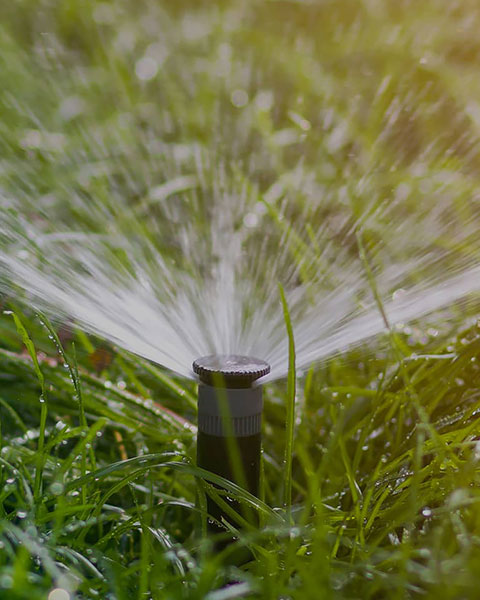
An irrigation system removes much of the guesswork from watering newly planted trees and shrubs. Instead of relying on inconsistent hand watering, irrigation delivers moisture on a regular schedule and helps maintain ideal soil conditions.
Reliable Watering
Life gets busy, and it is easy to forget to water regularly, especially during periods of dry weather. An irrigation system helps ensure that plants receive the moisture they need even when homeowners are traveling or managing other responsibilities.
Better Root Growth
Deep, consistent watering encourages roots to grow downward and outward. This creates a stronger root system that can better support the plant as it matures.
Reduced Water Waste
Modern irrigation systems are designed to apply water efficiently. Water is directed where it is needed rather than being wasted through runoff or excessive evaporation.
Less Plant Stress
Steady moisture levels help reduce transplant shock and create a healthier environment for root development during the establishment period.
Watering Requirements for New Trees and Shrubs
Every landscape is different, but newly planted trees and shrubs generally require more frequent watering than established plants.
The first few weeks after planting are especially important. During this time, the root ball should remain consistently moist. As roots begin expanding into the surrounding soil, watering frequency can gradually decrease.
Soil type also affects watering needs. Sandy soil drains quickly and may require more frequent irrigation. Clay soil holds water longer but may need slower watering cycles to allow moisture to soak in properly.
Weather conditions should also be considered. Hot summer temperatures, strong winds, and extended dry periods can increase water demand and require adjustments to irrigation schedules.
The Importance of Proper Irrigation Design
Not all areas of the landscape require the same amount of water. Trees, shrubs, flower beds, and lawns each have different watering needs.
A professionally designed irrigation system can separate these areas into individual zones. This allows each part of the landscape to receive the appropriate amount of water without overwatering or underwatering nearby plants.
For example, newly planted trees often benefit from deeper watering sessions than turfgrass. Separate irrigation zones make it easier to accommodate those differences and promote healthier growth throughout the landscape.
Supporting Plants Through Every Season
Watering needs change throughout the year. Spring and fall often provide natural rainfall that helps support plant growth, while summer heat can place greater demands on newly planted trees and shrubs.
Even during cooler months, irrigation can be important. If fall and winter conditions are unusually dry, occasional watering may help protect plants and prepare them for the next growing season.
Monitoring weather conditions and adjusting irrigation schedules accordingly can help ensure plants receive the right amount of moisture year-round.
Invest in Long-Term Landscape Success
New trees and shrubs add beauty, shade, privacy, and value to a property, but they need proper care to reach their full potential. Consistent watering during the establishment period is one of the most important factors in helping plants develop healthy roots and long-term resilience.
A professionally installed irrigation system provides reliable moisture exactly where it is needed, helping newly planted trees and shrubs get off to the best possible start. With the right irrigation strategy in place, homeowners can enjoy healthier landscapes and stronger plants for years to come. Contact Suburban Lawn Sprinkler at (508) 872-2727 today or visit us online for more information!