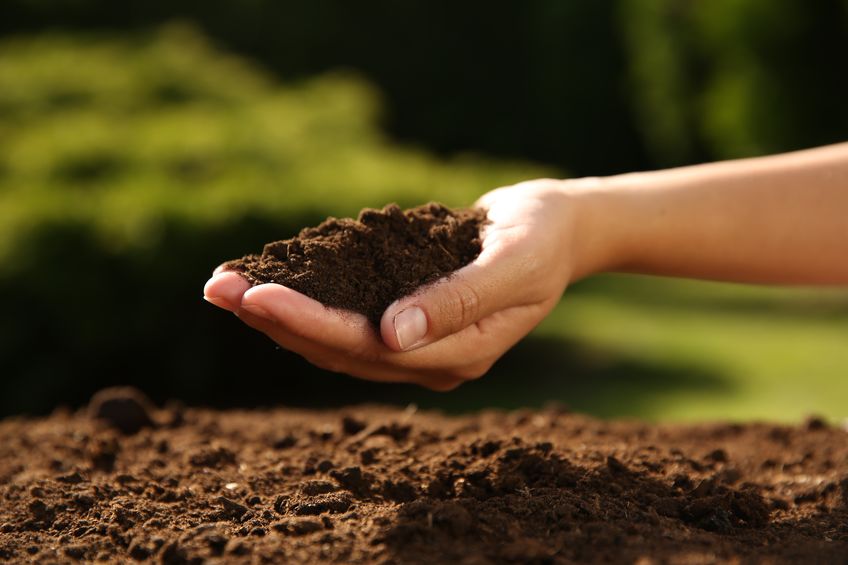
Most people look at their lawn from the top down. They see the green surface, the shape of the yard, maybe the sunny and shady areas, and assume those are the main factors that determine how well an irrigation system works. What they do not see is what makes the biggest difference of all. Soil is the foundation that controls how water moves, how roots grow, and how healthy your landscape will look throughout the season. If you are planning to install or upgrade an irrigation system, understanding the soil beneath your lawn is one of the smartest things you can do.
Soil type decides how fast water sinks in, how long it stays available to plants, and how easily it runs off your yard. New England’s wide range of soil conditions means that choosing a one size fits all system can lead to dry patches, soggy areas, and unnecessary water use. A system that works beautifully in one neighborhood may underperform only a few miles away because the ground behaves differently.
Let us take a closer look at the three main soil types homeowners encounter and how they should influence your irrigation choices.
Sandy Soil: Quick to Drain and Always Hungry for Water
Sandy soil feels loose and gritty. Its particles are large and create big spaces where water can slip through almost immediately. This makes sandy soil easy to dig in and great for areas that need fast drainage, but it also means your turf never gets much time to drink before the water disappears deeper into the ground.
How Sandy Soil Handles Water
Water flows straight through sandy soil with very little resistance. Even a long irrigation cycle may not leave the soil moist for long. Within a short time, the top layer dries out and the grass begins to look thirsty again.
Common Challenges
- The lawn dries out fast after watering
- Grass can struggle during hot spells
- Nutrients wash away quickly
- You may feel like you are watering constantly
What Works Best in Sandy Soil
With sandy soil, the trick is to water more often but for shorter periods. Light, frequent cycles keep moisture near the roots without sending all of it deep underground. Low flow nozzles, drip irrigation for garden beds, and smart controllers that adjust schedules based on weather help keep the lawn evenly hydrated. A professional system can create zones that deliver just the right amount of water without waste.
Clay Soil: Slow to Absorb and Easily Overwhelmed
Clay soil is the opposite of sandy soil in almost every way. It is made of tiny particles that pack tightly together. Clay can feel sticky or heavy when wet and almost rock hard when dry. Because the particles sit so close together, water has a tough time soaking in. Instead of absorbing evenly, it tends to puddle or run off the surface.
How Clay Soil Handles Water
Clay absorbs water very slowly. When moisture does make it in, the soil holds onto it for a long time. This can be helpful during dry weather but risky during long watering cycles. Too much water around the roots can suffocate the turf and invite disease.
Common Challenges
- Water sits on the surface after watering
- Runoff happens on slight slopes
- Soil compacts easily
- Grass roots stay shallow
- Lawn is more prone to fungal issues
What Works Best in Clay Soil
Clay needs gentle, patient watering. Shorter irrigation cycles work best, especially when combined with a soak and cycle approach. This means you let the system run briefly, pause to let the moisture sink in, then run again. Rotary nozzles that apply water slowly are helpful for yards with clay. Pressure regulated heads also reduce the risk of overwhelming the surface. The goal is to give the soil time to accept the water without flooding the top layer.
Loamy Soil: The Ideal Balance
Loamy soil contains a mixture of sand, silt, and clay, giving it a balanced texture that holds moisture without trapping it. This type of soil is often considered the gold standard because it supports deep roots, drains steadily, and provides good airflow around the roots.
How Loamy Soil Handles Water
Water moves through loamy soil at a moderate pace. It sinks in fast enough to avoid puddles but slowly enough to stay available to the root system. Lawns with loamy soil typically look fuller and greener with less effort from the homeowner.
Common Challenges
Loam is easier to work with than clay or sand, but it still needs attention. Overwatering can compact the soil, while too little water can stress turf in the peak of summer.
What Works Best in Loamy Soil
A wide range of sprinkler heads and irrigation designs work well with loam. Most systems can apply water at a standard rate without issues. Deep, consistent watering sessions spaced throughout the week help build strong roots and keep the lawn looking great.
Why Soil Determines the Right Irrigation System
Your soil influences every decision in the design of an irrigation system. It affects how many zones you need, how fast each zone should release water, what type of sprinkler heads should be used, and how long the system should run. When these details are aligned with your soil’s natural behavior, water gets used efficiently and your lawn stays healthy with less effort.
Ignoring soil type often leads to overwatering, underwatering, wasted water, and turf that struggles no matter how often you adjust the controller. A well-designed system begins with understanding the ground itself.
Professional irrigation installers evaluate soil texture, slope, sun exposure, and plant types before creating a layout. This ensures that every part of your yard receives water at the right pace and in the right amount. Over time, this approach saves water, reduces stress on your sprinkler system, and keeps your lawn healthier.
A Better Yard Starts with Knowing Your Soil
Soil is not the most glamorous part of your landscape, but it is one of the most important. If you know whether your yard is sandy, loamy, or made up of heavy clay, you can choose an irrigation system that supports your lawn’s needs instead of working against them. With the right design and proper watering strategy, your turf can thrive in any soil condition.
Suburban Lawn Sprinkler Co. helps homeowners understand their soil and choose irrigation solutions that enhance lawn health and conserve water. Whether you need a full system installation, an upgrade, or expert advice on watering schedules, a soil-based approach will give you better results year after year. Contact Suburban Lawn Sprinkler at (508) 872-2727 today or visit us online for more information!