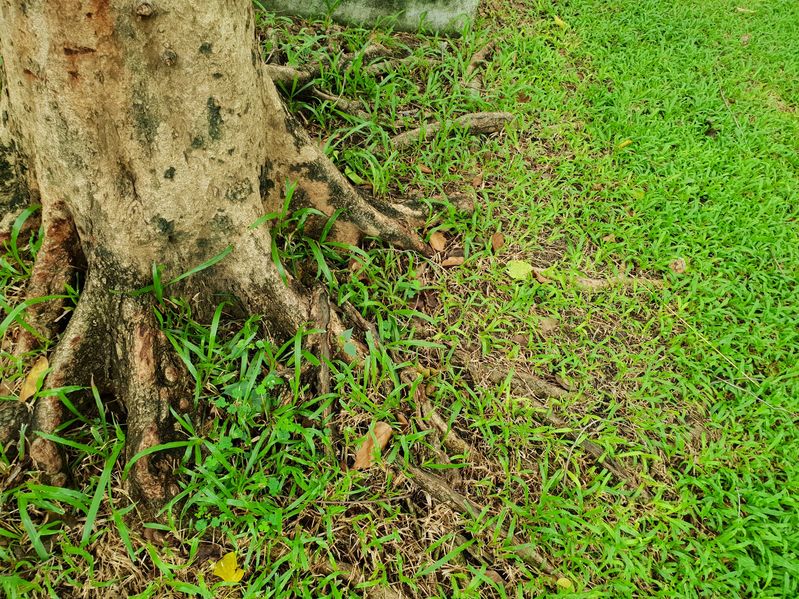
A well-maintained yard often depends on two things working together behind the scenes. Strong, healthy trees and a reliable irrigation system both play a major role in keeping your property looking its best. The challenge is that what helps one can sometimes interfere with the other. As trees mature, their root systems expand underground, and that growth can begin to impact sprinkler lines in ways that are easy to miss at first.
Why Roots Are Drawn to Sprinkler Systems
Tree roots are always searching for water. In many parts of Massachusetts, soil conditions can make moisture uneven and unpredictable. Irrigation lines provide a steady and dependable water source, which naturally attracts roots.
Another factor is the soil around sprinkler lines. During installation, trenches are dug and then backfilled, leaving the soil looser than the surrounding ground. Roots tend to grow more easily through this softer soil, which often leads them directly toward the irrigation system. Over time, roots can settle around pipes, fittings, and sprinkler heads, increasing the chances of interference.
How Root Growth Leads to Damage
Root systems do not cause problems overnight. The damage usually builds slowly as roots grow thicker and stronger. One common issue is shifting pipes. As roots expand, they can push lines out of place, which affects how water is distributed across your lawn.
Cracks in the pipes are another concern. Continuous pressure from nearby roots can weaken the material, eventually leading to leaks. Even a small crack can reduce system efficiency and create areas of oversaturation.
Sprinkler heads can also be affected. Roots may restrict water flow or alter spray patterns, making it difficult to achieve even coverage. In more advanced cases, roots can compress sections of pipe so much that water flow is partially or completely blocked.
Signs Something Is Not Right
Because sprinkler systems are hidden underground, the warning signs tend to show up in your lawn rather than in the system itself. Uneven grass growth is one of the most noticeable clues. You might see patches that are lush and green right next to areas that appear dry or stressed.
A drop in water pressure can also signal a problem. Sprinkler heads may not rise fully or may spray inconsistently. You may also notice water pooling in certain spots, which can indicate a leak caused by pressure from roots.
In New England, seasonal changes can make these issues more noticeable. Freeze and thaw cycles already put stress on irrigation systems, and root interference can make existing weaknesses worse.
Trees That Are More Likely to Cause Issues
Some trees are more aggressive than others when it comes to root growth. Species like maple, willow, and certain oaks are known for spreading roots over large areas. These roots can travel well beyond the visible canopy of the tree, increasing the chance of encountering sprinkler lines.
Even smaller decorative trees can become a problem if they are planted too close to irrigation components. Over time, their roots can expand enough to interfere with nearby pipes and fittings.
Planning to Avoid Problems
The best way to deal with root interference is to prevent it from happening in the first place. Careful planning during installation can make a significant difference.
When designing a sprinkler system, it is important to consider the placement of existing trees. Routing lines away from major root zones can reduce the risk of future damage. If you add trees later, choosing the right location is just as important.
Using durable materials is another smart step. Higher quality piping can better withstand pressure from surrounding soil and root growth. In some cases, root barriers can be installed to guide roots away from critical areas.
Regular inspections are also key. Having your system checked on a routine basis allows small issues to be identified early before they turn into costly repairs.
What to Do When Damage Occurs
If roots have already affected your sprinkler system, addressing the problem quickly is important. The first step is locating the damaged section. This can be challenging without the right tools, which is why professional help is often recommended.
Repairs may involve replacing damaged pipes, adjusting the layout of sprinkler lines, or relocating components to avoid further interference. In some situations, roots may need to be trimmed back, but this should always be done carefully to avoid harming the tree.
For more serious cases, redesigning part of the system may be the most effective way to prevent recurring problems.
Keeping Your Landscape Working Together
Trees and irrigation systems do not have to be at odds with each other. With the right approach, both can thrive in the same space. Understanding how roots grow and how they interact with underground systems helps you make better decisions for your property.
By planning, investing in proper installation, and staying on top of maintenance, you can protect your sprinkler system while still enjoying the beauty and benefits of mature trees. A little attention now can save time, money, and frustration down the road while keeping your landscape healthy and balanced. Contact Suburban Lawn Sprinkler at (508) 872-2727 today or visit us online for more information!