
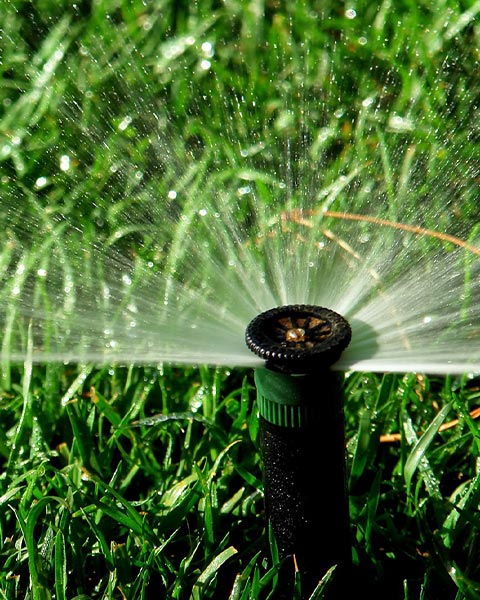
A sprinkler system is only as good as its design. You can have high-quality equipment and a reliable schedule, but if the sprinkler heads are not placed correctly, your lawn will never reach its full potential. Uneven watering, wasted water, and inconsistent growth are all signs that placement may be the real issue.
When a system is thoughtfully laid out, it delivers water where it is needed, when it is needed, and in the right amount. That is what leads to a greener, healthier lawn without unnecessary waste.
The Role of Head-to-Head Coverage
One of the most important concepts in irrigation design is head-to-head coverage. This simply means that each sprinkler head should reach the next one in the system with its spray pattern. When this overlap is in place, water is distributed evenly across the lawn.
If heads are spaced too far apart, certain areas will not receive enough water. This often leads to dry patches that stand out against the rest of the yard. Many homeowners try to fix this by increasing run times, but that usually creates new problems by overwatering other sections.
With proper overlap, every part of the lawn gets consistent coverage. This supports even growth and helps the entire yard look uniform instead of patchy.
Keeping Water Where It Belongs
Another common issue with poorly placed sprinklers is overspray. This happens when water lands on surfaces like sidewalks, driveways, or the side of the house instead of the grass.
Not only is this wasteful, but it can also lead to other problems such as water pooling, surface damage, or unnecessary wear on hardscapes. It also means your lawn is not getting the full benefit of the water being used.
Correct placement and proper nozzle selection help direct water exactly where it should go. By matching the spray pattern to the shape of the area, you can avoid waste and improve overall efficiency.
Adjusting for Trees and Landscape Features
Most yards are not wide open, flat spaces. Trees, shrubs, fences, and garden beds all influence how water moves and where it ends up. If these elements are not considered during installation, some areas will be left out.
For example, tree branches can block water from reaching the grass below, while dense plantings can disrupt spray patterns. This creates uneven coverage and forces certain areas to struggle.
A well-designed sprinkler system works around these features. It may include repositioned heads, different spray angles, or additional zones to make sure nothing is missed. Taking obstacles into account leads to better results and fewer problem areas.
Managing Slopes and Water Flow
Sloped areas can be tricky when it comes to irrigation. Water tends to move downhill quickly, which makes it harder for the soil to absorb moisture evenly. Without the right setup, the top of the slope can dry out while the bottom becomes overly wet.
This not only wastes water but can also weaken the lawn over time. Too much runoff can lead to erosion, while dry areas struggle to develop strong roots.
Proper sprinkler placement helps control how water is delivered on slopes. Combined with the right timing, it allows moisture to soak into the soil instead of washing away. This creates a more balanced and stable growing environment.
A Smarter Approach to Lawn Care
When sprinkler heads are placed correctly, everything works better. Water is used more efficiently, the lawn grows more evenly, and maintenance becomes easier. Instead of constantly adjusting your system or dealing with problem spots, you get consistent results.
Professional irrigation design focuses on these details from the start. By planning for coverage, avoiding waste, and accounting for the unique layout of your yard, it creates a system that supports long-term lawn health.
In the end, proper sprinkler placement is not just about convenience. It is about getting the most out of your water while giving your lawn exactly what it needs to thrive. Contact Suburban Lawn Sprinkler at (508) 872-2727 today or visit us online for more information!